
Case study - 2026
Flowstack
A design system and marketing site for a platform that scales with its customers.
Result
A modular system helped marketing publish new use-case pages without waiting on engineering.
Year
Role
Timeline
Deliverables
Challenge
Flowstack is a building block platform. Every customer assembles it differently. That flexibility is the product's superpower, but it made the site hard to write: the team kept defaulting to a feature list nobody read.
Proof points
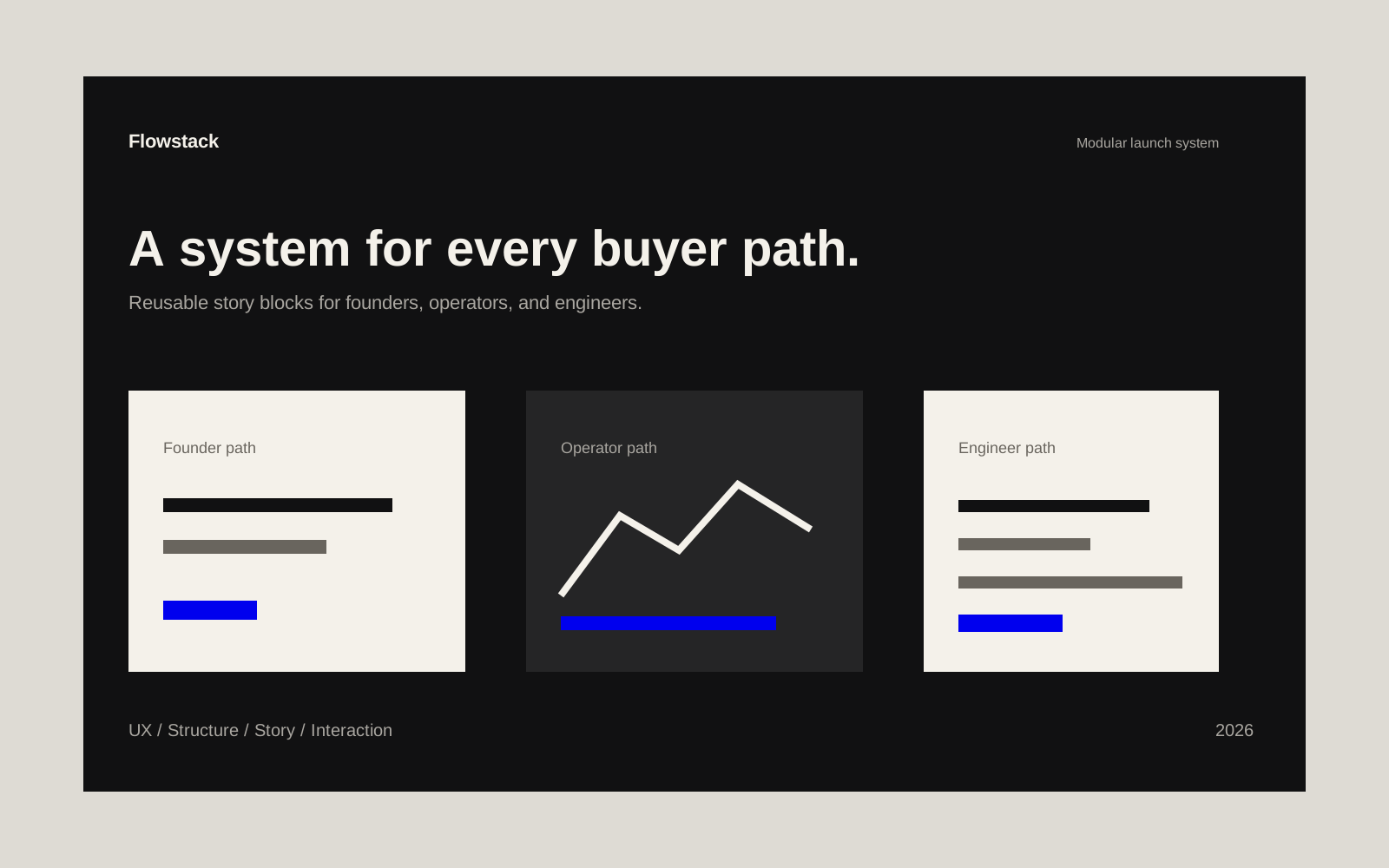
- Built a homepage that lets founders, operators, and engineers self-select fast.
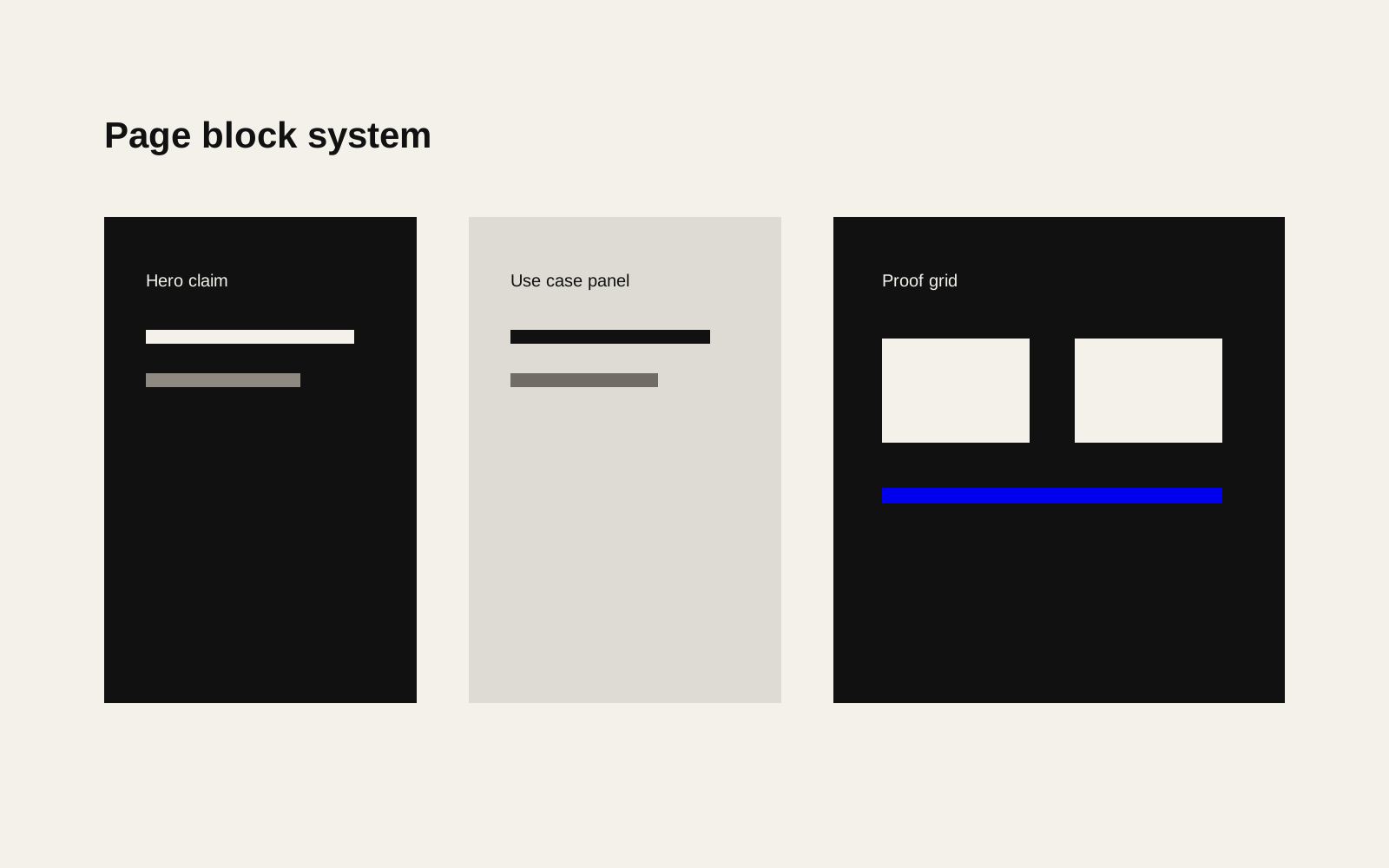
- Created repeatable page blocks for use cases, integrations, and launch notes.
- Paired a quieter brand system with sharper product diagrams.
Approach
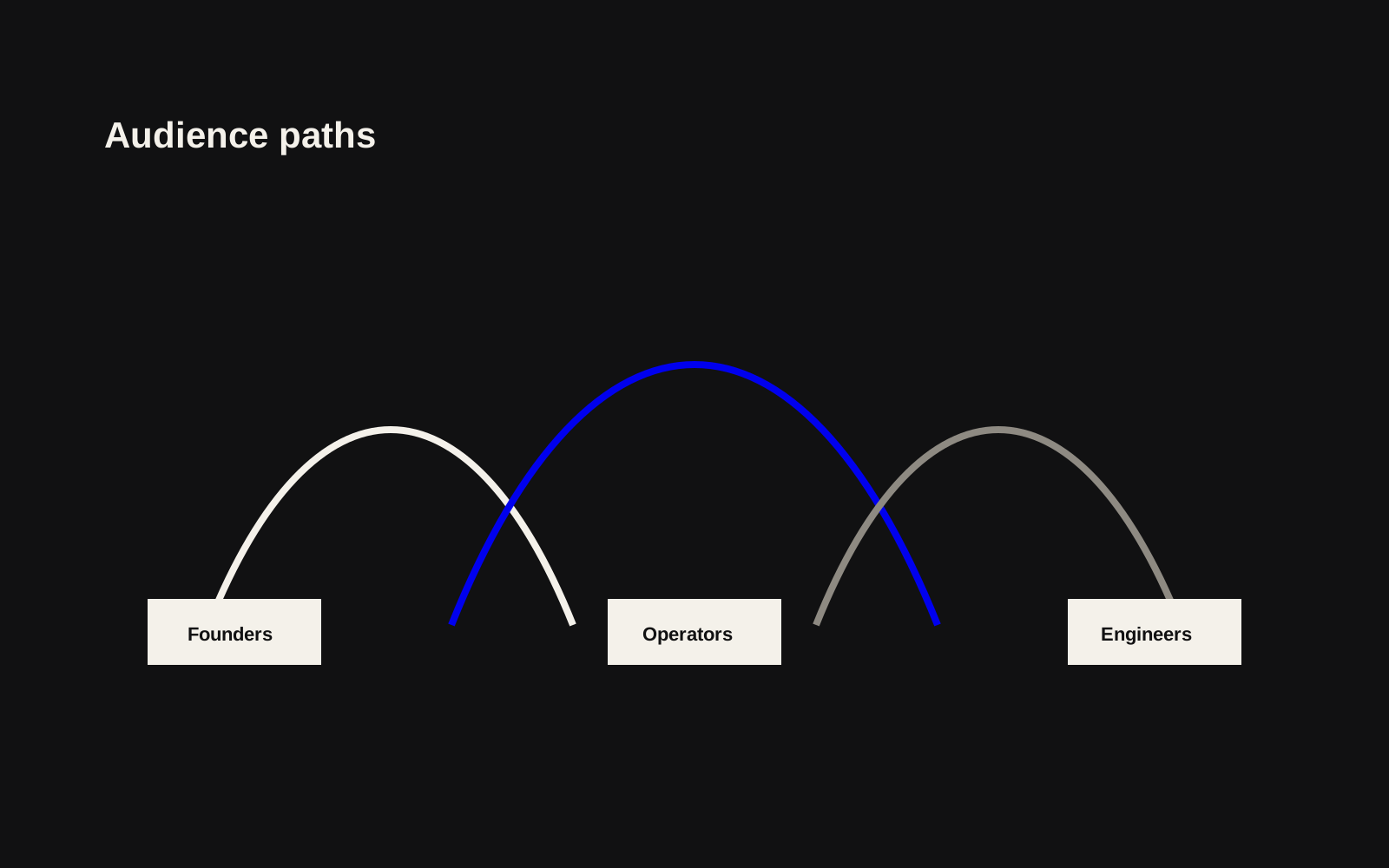
We mapped Flowstack's value onto three reader types: operators, founders, and engineers. The homepage lets each one self-select within the first scroll. Underneath, we shipped a small component system so the marketing team can publish new use-case pages in hours, not weeks.
Solution
A new identity, a clearer top-of-funnel narrative, and a modular page builder powered by the design system. Interactions stay subtle and the typography does the heavy lifting, leaving the product to speak for itself.
Results
The marketing team now ships use-case pages every week without engineering help, and qualified inbound has shifted toward the founder and operator segments the company wanted to grow.
Next project
MailForge
Turning email into a predictable revenue engine for modern teams.